
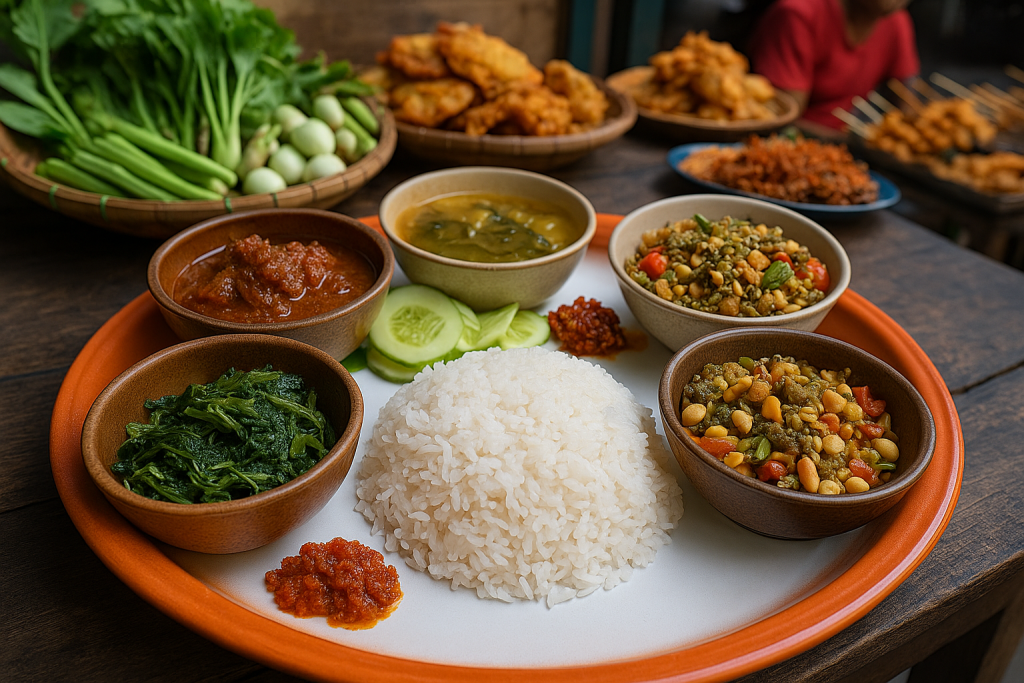
Myanmar Food Culture: Traditions, Ingredients, and Eating Habits represents a unique culinary identity shaped by geography, history, religion, and daily lifestyle. Located at the crossroads of South Asia, Southeast Asia, and East Asia, Myanmar has developed a food culture that blends indigenous traditions with regional influences while maintaining a strong local character.
Understanding Myanmar Food Culture: Traditions, Ingredients, and Eating Habits offers valuable insight into how Burmese people cook, eat, and connect food with community, spirituality, and everyday life.

Overview of Myanmar Food Culture
Myanmar Food Culture: Traditions, Ingredients, and Eating Habits is deeply rooted in agrarian society. Rice farming, fishing, and seasonal harvesting define not only what people eat but how meals are structured. Burmese cuisine emphasizes balance rather than complexity, focusing on fresh ingredients, fermented elements, and layered flavors.
Food in Myanmar is rarely separated from social interaction. Shared dishes, communal dining, and the absence of strict meal courses highlight the collective nature of eating. Myanmar Food Culture: Traditions, Ingredients, and Eating Habits prioritizes nourishment, harmony, and respect for ingredients over decorative presentation.
See More: Popular Food in Myanmar You Cannot Miss
Historical Influences on Myanmar Food Culture
Throughout history, Myanmar has interacted with India, China, Thailand, and Mon culture regions. These interactions shaped Myanmar Food Culture: Traditions, Ingredients, and Eating Habits without erasing its core identity.
Indian influence appears in the use of legumes, flatbreads, and spice layering. Chinese culinary traditions contributed noodle dishes, stir frying methods, and soy based seasonings. Thai influence can be seen in the balance of sour and spicy flavors. Despite these influences, Burmese cuisine remains distinct through its fermentation techniques and restrained spice use.
Core Principles of Myanmar Food Culture
At the heart of Myanmar Food Culture: Traditions, Ingredients, and Eating Habits are several guiding principles:
Balance between salty, sour, bitter, and mild heat
Emphasis on freshness and seasonality
Respect for natural flavors
Minimal use of sugar
Frequent use of fermented components
Unlike many neighboring cuisines, Burmese food avoids extreme sweetness or overpowering spice. Instead, Myanmar Food Culture: Traditions, Ingredients, and Eating Habits focuses on subtle complexity.
Rice as the Foundation of Myanmar Food Culture
Rice is the central element of Myanmar Food Culture: Traditions, Ingredients, and Eating Habits. Almost every meal revolves around steamed white rice, which acts as both nourishment and cultural symbol.
Rice is consumed from morning to night. It accompanies curries, soups, salads, and side dishes. In rural areas, rice consumption reflects agricultural cycles, reinforcing the connection between land and food.
Rice is also used in noodles, rice cakes, snacks, and fermented products, further highlighting its importance in Myanmar Food Culture: Traditions, Ingredients, and Eating Habits.
Essential Ingredients in Myanmar Food Culture
Fermented Ingredients
Fermentation plays a defining role in Myanmar Food Culture: Traditions, Ingredients, and Eating Habits. Fermented fish paste, shrimp paste, soybean paste, and fermented tea leaves add depth and umami.
These ingredients are not used excessively but carefully balanced. Fermentation reflects traditional preservation methods and regional biodiversity.
Herbs and Aromatics
Fresh herbs are essential to Myanmar Food Culture: Traditions, Ingredients, and Eating Habits. Garlic, shallots, ginger, lemongrass, turmeric, and coriander appear frequently. These aromatics create fragrant bases for soups and salads.
Unlike cuisines that rely heavily on dried spices, Burmese cooking favors fresh components that enhance natural flavors.
Proteins
Protein sources in Myanmar Food Culture: Traditions, Ingredients, and Eating Habits include fish, freshwater seafood, poultry, pork, and legumes. Beef consumption varies by region and religious practice.
Fish is especially important due to Myanmar’s rivers and coastline. Dried fish and fermented seafood products extend shelf life and flavor variety.
Cooking Methods in Myanmar Food Culture
Cooking techniques reflect simplicity and efficiency within Myanmar Food Culture: Traditions, Ingredients, and Eating Habits.
Common methods include:
Boiling and simmering
Light frying
Steaming
Fermenting
Mixing raw ingredients for salads
Heavy roasting or baking is less common. Cooking aims to preserve texture and nutritional value while enhancing aroma.
Burmese Curries and Their Cultural Role
Curries are central to Myanmar Food Culture: Traditions, Ingredients, and Eating Habits, but they differ from Indian or Thai curries. Burmese curries are oil based, gently simmered, and less spicy.
Oil naturally separates during cooking, creating a rich texture. Curries are served alongside rice with multiple accompaniments, reinforcing communal eating traditions.
Salads in Myanmar Food Culture
Salads occupy a special place in Myanmar Food Culture: Traditions, Ingredients, and Eating Habits. Burmese salads often combine raw vegetables, fermented ingredients, nuts, and oils.
These salads are not side dishes but full flavor experiences. Texture contrast is highly valued, blending crunch, softness, and chewiness.
Soups and Broths in Daily Eating Habits
Light soups accompany most meals in Myanmar Food Culture: Traditions, Ingredients, and Eating Habits. These broths cleanse the palate and provide hydration.
Soups are typically clear, mildly seasoned, and filled with vegetables or legumes. They balance richer dishes and contribute to dietary harmony.
Eating Habits in Myanmar Daily Life
Communal Dining
Communal dining defines Myanmar Food Culture: Traditions, Ingredients, and Eating Habits. Dishes are placed in the center, and everyone shares from common plates.
This practice strengthens family bonds and social equality. No dish belongs to a single person, reinforcing collective values.
Meal Structure
Meals do not follow strict courses. Rice, curries, salads, soups, and condiments are eaten together. This flexible structure is a key feature of Myanmar Food Culture: Traditions, Ingredients, and Eating Habits.
Eating Etiquette
Traditionally, people eat with their right hand, especially in rural areas. Utensils are common in urban settings, but hand eating remains culturally respected.
Regional Diversity in Myanmar Food Culture
Central Myanmar
Central regions emphasize legumes, sesame oil, and mild curries. Myanmar Food Culture: Traditions, Ingredients, and Eating Habits here reflects dry climate agriculture.
Coastal Areas
Seafood dominates coastal cuisine. Fish sauces, dried fish, and marine flavors define regional interpretations of Myanmar Food Culture: Traditions, Ingredients, and Eating Habits.
Shan State
Shan cuisine incorporates herbs, tomatoes, and lighter seasoning. Rice noodles and fresh vegetables are common, showing regional adaptation within Myanmar Food Culture: Traditions, Ingredients, and Eating Habits.
Religious Influence on Myanmar Food Culture
Buddhism strongly influences Myanmar Food Culture: Traditions, Ingredients, and Eating Habits. Many people observe meat free days or vegetarian practices during religious periods.
Monasteries often serve simple plant based meals, emphasizing mindfulness and moderation. Food is viewed as sustenance rather than indulgence.
Street Food and Everyday Eating Habits
Street food reflects the practical side of Myanmar Food Culture: Traditions, Ingredients, and Eating Habits. Small stalls serve noodles, salads, snacks, and soups throughout the day.
Street food is affordable, communal, and closely tied to daily routines. It represents the living expression of Burmese culinary traditions.
Seasonal Eating Patterns
Seasonality shapes Myanmar Food Culture: Traditions, Ingredients, and Eating Habits. Rainy seasons bring leafy greens and freshwater fish, while dry seasons highlight preserved foods.
This seasonal rhythm promotes sustainability and respect for natural cycles.
Cultural Meaning of Food in Myanmar Society
Food represents generosity, respect, and hospitality within Myanmar Food Culture: Traditions, Ingredients, and Eating Habits. Offering food to guests and monks is considered a moral act.
Meals mark social gatherings, religious ceremonies, and life milestones. Food is not merely nourishment but cultural expression.
Modern Changes in Myanmar Food Culture
Urbanization and globalization are influencing Myanmar Food Culture: Traditions, Ingredients, and Eating Habits. New cooking methods and international ingredients appear in cities.
However, traditional eating habits remain strong. Home cooking and communal meals continue to define Burmese identity.
Preservation of Culinary Heritage
Efforts to document and preserve Myanmar Food Culture: Traditions, Ingredients, and Eating Habits are increasing. Families pass recipes orally, maintaining continuity across generations.
Local markets play a crucial role in preserving traditional ingredients and techniques.
Myanmar Food Culture in the Global Context
As international interest grows, Myanmar Food Culture: Traditions, Ingredients, and Eating Habits is gaining recognition for its authenticity and balance.
Unlike heavily commercialized cuisines, Burmese food remains closely tied to daily life, making it culturally rich and distinct.
Conclusion
Myanmar Food Culture: Traditions, Ingredients, and Eating Habits reflects a way of life grounded in balance, community, and respect for nature. From rice centered meals to fermented flavors and shared dining practices, Burmese cuisine offers more than taste alone.
Understanding Myanmar Food Culture: Traditions, Ingredients, and Eating Habits provides insight into Myanmar’s history, values, and social structure. It is a culinary culture shaped by land, belief, and everyday connection, continuing to thrive while adapting to modern change.
