
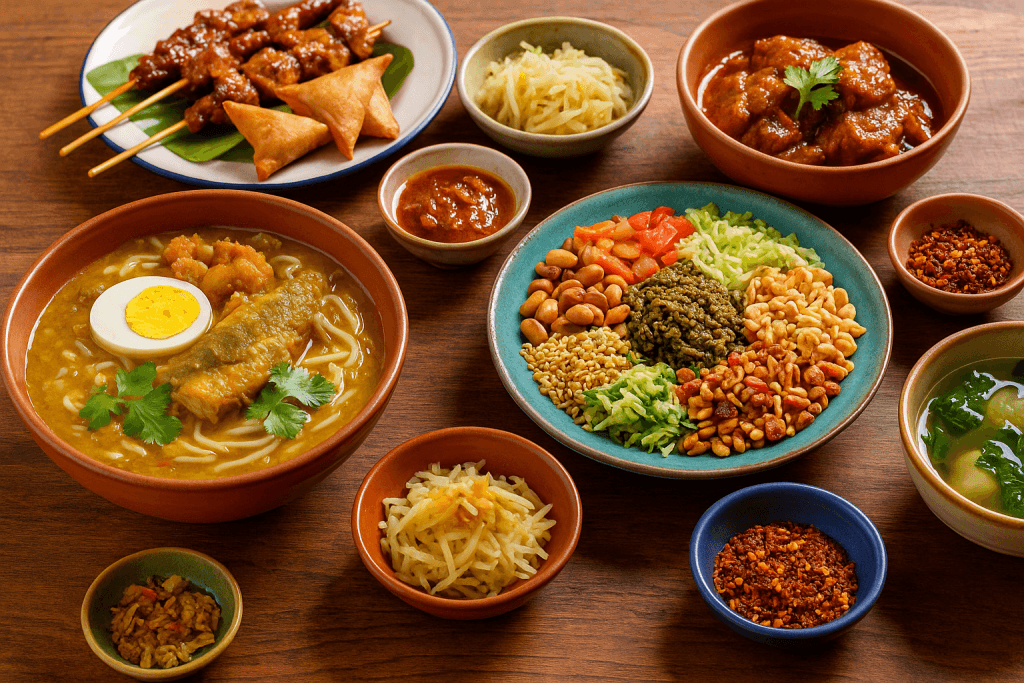
Myanmar Cuisine: A Complete Guide to Traditional Burmese Food is a rich reflection of the country’s geography, history, and cultural diversity. Influenced by neighboring India, China, and Thailand, yet deeply rooted in indigenous traditions, Myanmar cuisine offers a distinctive balance of flavors that is earthy, fermented, aromatic, and bold.
This comprehensive guide to Myanmar Cuisine: A Complete Guide to Traditional Burmese Food explores ingredients, cooking techniques, regional styles, iconic dishes, street food culture, dining customs, and the culinary philosophy that defines Burmese food.
Introduction to Myanmar Cuisine: A Complete Guide to Traditional Burmese Food
Myanmar Cuisine: A Complete Guide to Traditional Burmese Food represents far more than daily meals. Food in Myanmar is a social experience, a cultural expression, and a historical record passed through generations. Traditional Burmese food emphasizes harmony between sour, salty, bitter, spicy, and umami flavors, often achieved through fermented ingredients and fresh herbs.
Unlike cuisines that rely heavily on sweetness or extreme spice, Myanmar Cuisine: A Complete Guide to Traditional Burmese Food is known for subtle complexity. Fermented tea leaves, fish sauce, shrimp paste, turmeric, garlic, and ginger form the backbone of countless dishes. Rice remains the foundation of most meals, accompanied by a variety of curries, salads, soups, and condiments.
See More: Top Attractions in Myanmar for International Travelers
Core Ingredients in Myanmar Cuisine: A Complete Guide to Traditional Burmese Food
Understanding Myanmar Cuisine: A Complete Guide to Traditional Burmese Food begins with its essential ingredients. Burmese cooking depends on locally sourced components that reflect the country’s rivers, fertile plains, and coastal regions.
Rice is the primary staple, appearing in steamed form, noodles, rice flour snacks, and fermented preparations. Fish and seafood are widely used, especially in coastal and delta regions, contributing to the popularity of fish sauce and fermented fish paste. Pulses such as chickpeas, lentils, and pigeon peas provide protein and texture.
Herbs and aromatics play a vital role in Myanmar Cuisine: A Complete Guide to Traditional Burmese Food. Garlic, shallots, turmeric, ginger, lemongrass, and galangal appear frequently, while fresh coriander, mint, and kaffir lime leaves add brightness. Fermentation is a defining characteristic, giving Burmese dishes their signature depth and umami.
Cooking Techniques in Myanmar Cuisine: A Complete Guide to Traditional Burmese Food
Traditional cooking methods are central to Myanmar Cuisine: A Complete Guide to Traditional Burmese Food. Slow simmering, steaming, pounding, and fermenting are widely practiced. Curries are typically oil based and gently cooked rather than aggressively spiced, allowing natural flavors to shine.
One distinctive method in Myanmar Cuisine: A Complete Guide to Traditional Burmese Food is the preparation of curry bases. Aromatics are slowly cooked in oil until fragrant before proteins and vegetables are added. This technique creates rich, savory gravies without overwhelming heat.
Salads are another hallmark, often mixed by hand to ensure even distribution of flavors. Soups are light yet aromatic, designed to complement heavier dishes rather than dominate the meal.
Iconic Dishes in Myanmar Cuisine: A Complete Guide to Traditional Burmese Food
Several dishes define Myanmar Cuisine: A Complete Guide to Traditional Burmese Food and are recognized across the country.
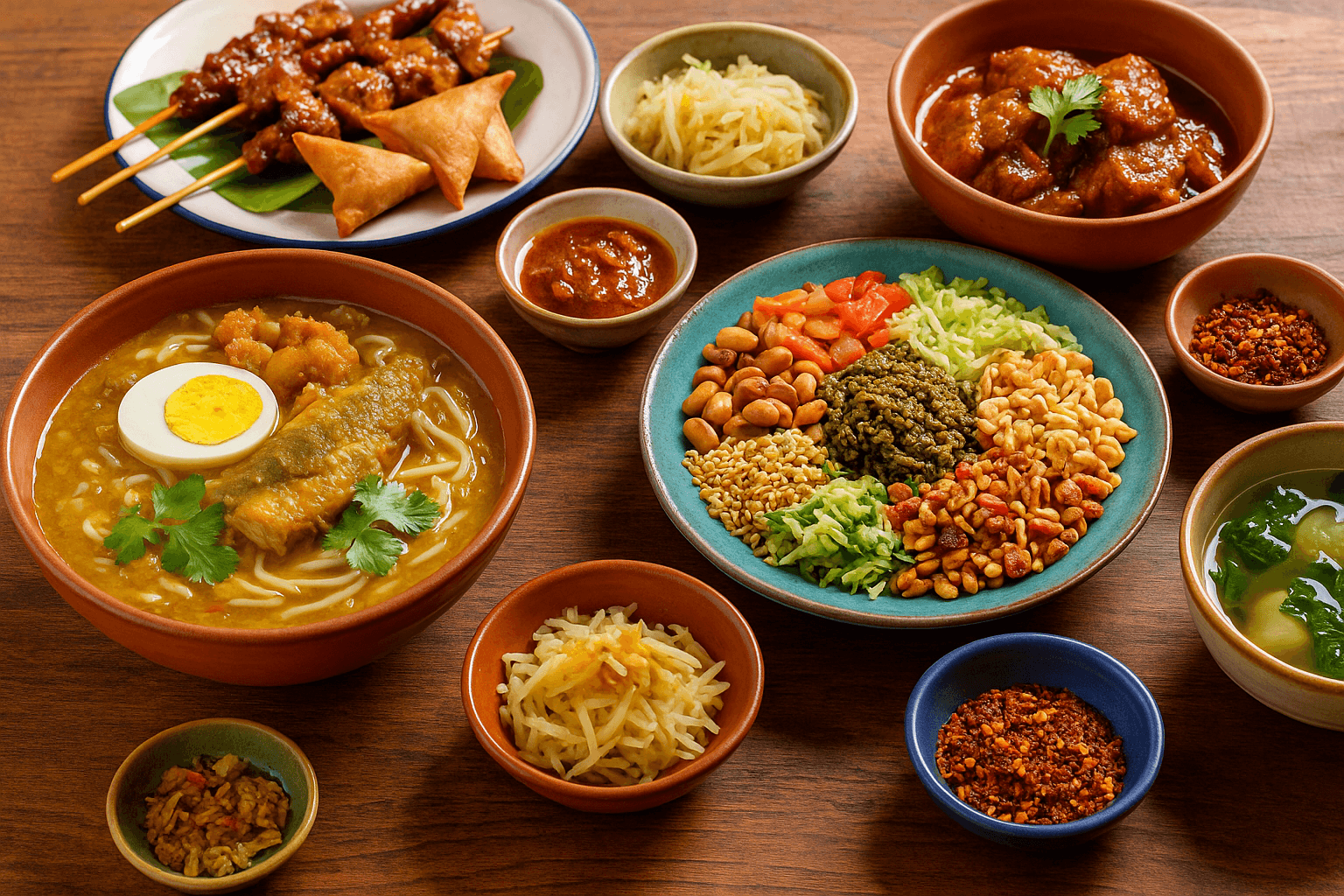
Mohinga is widely regarded as the national dish. This rice noodle soup features a fish based broth infused with lemongrass, ginger, and banana stem. Served with crispy fritters, boiled eggs, and fresh herbs, it embodies the balance central to Myanmar Cuisine: A Complete Guide to Traditional Burmese Food.
Laphet Thoke, or fermented tea leaf salad, is another iconic preparation. Tea leaves are fermented and mixed with nuts, seeds, garlic, chili, and lime juice. This dish reflects the Burmese appreciation for fermentation and communal eating.
Curries made with chicken, pork, fish, or vegetables are staples. Unlike many other Southeast Asian curries, Burmese curries are oilier and less coconut heavy, focusing instead on spice pastes and slow cooking.
Street Food Culture in Myanmar Cuisine: A Complete Guide to Traditional Burmese Food
Street food plays a vital role in Myanmar Cuisine: A Complete Guide to Traditional Burmese Food. From early morning noodle stalls to evening snack vendors, street food reflects everyday life and local taste preferences.
Popular street foods include noodle salads, fritters made from chickpea flour, grilled skewers, and rice based snacks. These foods are affordable, flavorful, and deeply connected to community life. In Myanmar Cuisine: A Complete Guide to Traditional Burmese Food, street food is not considered inferior to home cooking but rather an essential extension of culinary culture.
Tea shops are another cornerstone. They serve milk tea alongside a wide variety of snacks and small dishes, functioning as social hubs where food, conversation, and tradition intersect.
Regional Diversity in Myanmar Cuisine: A Complete Guide to Traditional Burmese Food
Myanmar Cuisine: A Complete Guide to Traditional Burmese Food varies significantly by region. Myanmar’s diverse ethnic groups contribute unique ingredients, flavors, and cooking styles.
In coastal regions, seafood dominates the menu, with dried fish, shrimp paste, and crab dishes commonly prepared. Central Myanmar favors rich curries and dry salads, while northern areas incorporate more herbs and influences from Chinese cuisine. Shan cuisine, in particular, is known for lighter flavors, noodle dishes, and fresh herbs.
This regional diversity ensures that Myanmar Cuisine: A Complete Guide to Traditional Burmese Food is not a single style but a mosaic of culinary traditions shaped by geography and culture.
Salads and Side Dishes in Myanmar Cuisine: A Complete Guide to Traditional Burmese Food
Salads occupy a unique place in Myanmar Cuisine: A Complete Guide to Traditional Burmese Food. Unlike Western salads, Burmese salads are often hearty, savory, and protein rich.
Ingredients such as noodles, fermented vegetables, beans, and meats are combined with bold dressings made from lime juice, fish sauce, chili oil, and garlic. These salads provide contrast and balance within a meal.
Side dishes are typically served family style. A traditional Burmese meal includes rice, several curries, soups, salads, and condiments. This communal approach highlights the social nature of Myanmar Cuisine: A Complete Guide to Traditional Burmese Food.
Soups and Broths in Myanmar Cuisine: A Complete Guide to Traditional Burmese Food
Soups are an essential yet understated component of Myanmar Cuisine: A Complete Guide to Traditional Burmese Food. Light broths made with vegetables, fish, or pork are served alongside main dishes to cleanse the palate.
These soups are rarely spicy or heavy. Instead, they offer subtle flavors enhanced by aromatics and fresh herbs. In traditional meals, soup is often consumed throughout the meal rather than as a separate course.
Dining Customs and Food Philosophy in Myanmar Cuisine: A Complete Guide to Traditional Burmese Food
Dining customs are integral to understanding Myanmar Cuisine: A Complete Guide to Traditional Burmese Food. Meals are typically eaten with rice as the centerpiece, using the right hand to mix rice with curries and side dishes.
Sharing is central to Burmese dining culture. Dishes are placed in the center of the table, encouraging communal participation. Hospitality is deeply valued, and offering food is considered an act of generosity and respect.
The philosophy behind Myanmar Cuisine: A Complete Guide to Traditional Burmese Food emphasizes balance, moderation, and harmony. Meals are designed to nourish both body and spirit, reflecting Buddhist principles and cultural values.
Traditional Snacks and Desserts in Myanmar Cuisine: A Complete Guide to Traditional Burmese Food
Desserts and snacks in Myanmar Cuisine: A Complete Guide to Traditional Burmese Food are often made from rice, coconut, and jaggery. These treats are typically less sweet than Western desserts, focusing instead on texture and natural flavors.
Rice cakes, sticky rice with coconut, and steamed sweets wrapped in banana leaves are commonly enjoyed during festivals and daily life. Snacks are also frequently consumed at tea shops, reinforcing their role in social interaction.
The Role of Fermentation in Myanmar Cuisine: A Complete Guide to Traditional Burmese Food
Fermentation is one of the defining characteristics of Myanmar Cuisine: A Complete Guide to Traditional Burmese Food. Fermented tea leaves, fish paste, shrimp paste, and pickled vegetables add depth and complexity to dishes.
These fermented elements contribute to the distinctive umami profile that sets Burmese food apart from neighboring cuisines. They also reflect traditional preservation methods developed over centuries.
Modern Influence and Global Interest in Myanmar Cuisine: A Complete Guide to Traditional Burmese Food
In recent years, Myanmar Cuisine: A Complete Guide to Traditional Burmese Food has gained increased attention internationally. Chefs and food enthusiasts are discovering the unique flavors and techniques that define Burmese cooking.
While modern interpretations may adapt presentation or ingredient availability, the core principles of Myanmar Cuisine: A Complete Guide to Traditional Burmese Food remain intact. Traditional recipes continue to be preserved through family kitchens, local markets, and cultural festivals.
Conclusion: The Essence of Myanmar Cuisine: A Complete Guide to Traditional Burmese Food
Myanmar Cuisine: A Complete Guide to Traditional Burmese Food offers an immersive journey into a culinary tradition shaped by history, geography, and community. From fermented tea leaf salads and fragrant curries to street food stalls and communal meals, Burmese food reflects a deep respect for balance and tradition.
Exploring Myanmar Cuisine: A Complete Guide to Traditional Burmese Food is not only about discovering new flavors but also about understanding the cultural values that shape how food is prepared, shared, and enjoyed. This complete guide highlights why traditional Burmese food remains one of Southeast Asia’s most distinctive and rewarding culinary experiences.
