
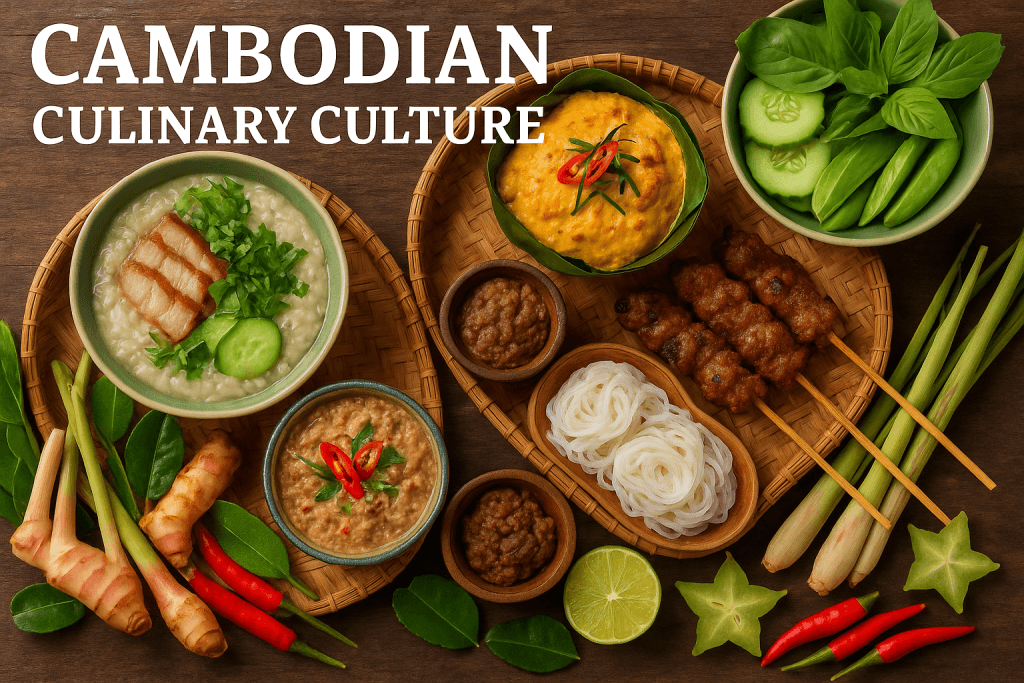
Cambodian culinary culture represents one of the most distinctive gastronomic identities in Southeast Asia. With a heritage shaped by ancient Khmer rituals, agricultural abundance, and the influence of neighboring regions, Cambodian culinary culture stands as a refined system of traditional flavors, harmonious ingredients, and symbolic cooking practices. The diversity and depth of Campuchia cuisine continue to capture global attention, offering insights into history, lifestyle, and cultural values through every ingredient and cooking method.
The development of Cambodian culinary culture reflects the evolution of Khmer society. Food remains closely tied to agriculture, spirituality, family traditions, and community life. Across generations, Cambodians have preserved culinary techniques that emphasize freshness, balance, and natural harmony.
Campuchia cuisine demonstrates a structured approach toward flavors, relying heavily on herbs, aromatic plants, freshwater fish, fermented elements, and gently seasoned dishes. This distinctive approach not only preserves ancient culinary knowledge but also highlights the intimate relationship between Khmer people and their natural environment.
As interest in Southeast Asian food continues to grow, Cambodian culinary culture becomes increasingly recognized for its complexity and authenticity. The culinary identity of Cambodia goes beyond simple nourishment.
It reflects ecological sustainability, cultural symbolism, and historical continuity. The reliance on fresh herbs, palm sugar, prahok, kroeung, and rice underscores the importance of seasonal availability and agricultural traditions. These components reinforce the foundation of Campuchia cuisine and make Cambodian culinary culture a meaningful representation of national heritage.

Historical Roots of Cambodian Culinary Culture
The origins of Cambodian culinary culture date back to the ancient Khmer Empire, a powerful civilization that flourished around the Angkor region. Royal kitchens were responsible for developing refined dishes, ceremonial meals, and balanced flavor methods that would influence Campuchia cuisine for centuries.
Archaeological evidence from Angkor Wat, Bayon Temple, and other historical sites shows that Khmer people cultivated rice extensively and relied on freshwater fish from Tonle Sap as a primary protein source. These ancient patterns eventually shaped the fundamentals of Cambodian culinary culture.
Foreign interactions enriched the culinary identity of Cambodia. Trade with China brought noodles, dumplings, and various cooking tools. Cultural exchange with India introduced aromatic spices and early curry structures. Contact with Thailand and Vietnam influenced soups, herbs, and dipping sauces used in daily meals. Despite external influences, the core of Cambodian culinary culture remains distinct due to the presence of prahok, palm sugar, fermented ingredients, and herbal pastes that define traditional Khmer flavors.
See more: Khmer traditional dishes
Geography and Its Influence on Cambodian Culinary Culture
Geography plays a significant role in shaping Cambodian culinary culture. The Tonle Sap Lake and Mekong River provide a rich source of freshwater fish, which appear in countless dishes across Cambodia. The seasonal movement of the Tonle Sap contributes to abundant aquatic life, making fish-based dishes essential to Campuchia cuisine. Fermented fish products, including prahok and fish sauce, serve as important flavoring agents in both rural and urban areas.
Rice cultivation covers the plains of Cambodia and supplies the main carbohydrate in Cambodian culinary culture. Alongside rice, tropical forests and coastal regions contribute fruits, vegetables, roots, herbs, and seafood varieties. These diverse resources support the development of herbal soups, salads, steamed dishes, and stir fried meals that represent regional variations of Campuchia cuisine. Geography thus serves as both provider and guide in the construction of Cambodian culinary culture, ensuring continuity between nature and tradition.
Philosophy of Balance in Cambodian Culinary Culture
A central principle of Cambodian culinary culture is the philosophy of harmony. Khmer cuisine aims to create dishes where no flavor overwhelms another. Balance is achieved through a measured combination of salty, sweet, sour, bitter, and umami elements. Aromatic herbs soften richer flavors, palm sugar refines intense spices, and citrus notes provide brightness to complement deeper broth based dishes.
The most important expression of balance in Cambodian culinary culture is seen through the use of kroeung. This traditional paste, made from lemongrass, turmeric, galangal, shallots, garlic, and kaffir lime zest, represents the backbone of the Khmer kitchen. Kroeung ensures that soups, curries, and stir fried dishes maintain fragrance, nutritional value, and structural harmony. As a foundational element of Campuchia cuisine, kroeung strengthens the identity of Cambodian culinary culture through its role in both everyday meals and ceremonial dishes.
Core Ingredients That Define Cambodian Culinary Culture
Cambodian culinary culture is recognized for its reliance on natural, fresh, and regionally sourced ingredients. These ingredients reflect biodiversity and the agricultural practices of rural communities.
Herbs and Aromatic Plants
Lemongrass, basil, mint, turmeric, kaffir lime leaves, coriander, and galangal appear in nearly every category of Campuchia cuisine. Their presence enhances both flavor and aroma, reinforcing the freshness that characterizes Cambodian culinary culture.
Vegetables and Fruits
Cambodia’s farms and forests provide eggplants, gourds, leafy greens, mango, tamarind, papaya, and banana blossoms. These ingredients contribute texture, hydration, and natural complexity to various dishes.
Rice
Rice remains the foundation of Campuchia cuisine, symbolizing abundance and nourishment. Sticky rice, aromatic rice, and rice noodles all form vital parts of Cambodian culinary culture.
Fish and Aquatic Products
Freshwater fish such as catfish, snakehead fish, and carp dominate daily meals. Preserved fish products, including fermented pastes, dried fish, and smoked varieties, characterize regional flavors within Cambodian culinary culture.
Prahok and Its Cultural Importance
Prahok is one of the most iconic symbols of Cambodian culinary culture. This fermented fish paste has been used for centuries as a seasoning, protein source, and preservation method. Its bold aroma and flavor make it an essential component of Campuchia cuisine.
Prahok contributes depth to soups, enhances stir fried vegetables, and provides umami richness to dipping sauces. Its cultural significance extends beyond flavor. Prahok represents resilience, food security, and traditional knowledge. Understanding prahok is essential for understanding Cambodian culinary culture, as it encapsulates the spirit of sustainability and cultural identity.
The Role of Spices in Cambodian Culinary Culture
Spices in Cambodian culinary culture do not overwhelm dishes with heat. Instead, they provide warmth, fragrance, and gentle layers of flavor. Turmeric adds color and earthiness. Ginger and galangal offer sharp aromatic tones. Lemongrass contributes citrus fragrance. These spices shape the signature flavor landscape of Campuchia cuisine.
Khmer cooks use spices to support digestion and improve the overall harmony of dishes. This preference highlights the holistic approach of Cambodian culinary culture, where food is appreciated not only for flavor but for its contribution to balance and wellness.
Traditional Cooking Methods in Cambodian Culinary Culture
Cambodian culinary culture embraces cooking methods that preserve natural flavors, enhance texture, and maintain nutritional value.
Steaming
Steaming keeps ingredients tender while preserving nutrients. Many herbal dishes and fish recipes rely on this method.
Grilling
Grilling contributes smoky undertones to meats, vegetables, and fish. This technique is widely used in Campuchia cuisine.
Simmering
Broth based dishes often require long simmering to develop depth, especially soups featuring herbs and freshwater fish.
Stir frying
Quick stir frying with garlic, lemongrass, and seasonal vegetables ensures freshness and texture.
These techniques collectively strengthen Cambodian culinary culture, preserving the traditional values and signatures of Khmer cooking practices.
Iconic Dishes in Cambodian Culinary Culture
Although the diversity of Campuchia cuisine is immense, several dishes represent the core identity of Cambodian culinary culture.
Amok
A steamed curry made with fish, coconut, kroeung, and local herbs.
Samlor korkor
A traditional Khmer vegetable soup representing balance and nourishment.
Prahok ktis
A creamy dip made from prahok, coconut, herbs, and minced ingredients.
Nom banh chok
A rice noodle dish often described as the essence of Cambodian culinary culture due to its widespread popularity.
Bai sach chrouk
Marinated grilled pork served with rice, demonstrating simplicity and harmony.
Each dish embodies the principles, ingredients, and regional influences that define Cambodian culinary culture.
Cultural Significance of Food in Cambodian Society
Food plays a symbolic role in Cambodian life. Cambodian culinary culture appears in religious festivals, family ceremonies, and community gatherings. Many meals are prepared as offerings in pagodas. Traditional dishes accompany weddings, harvest celebrations, and New Year festivities.
Sharing food strengthens social bonds and emphasizes generosity, a central value in Khmer culture. Through these practices, Cambodian culinary culture reflects hospitality, gratitude, and collective identity.
Cambodian Culinary Culture in Modern Context
The modern evolution of Cambodian culinary culture embraces preservation and innovation. Younger chefs reinterpret traditional dishes using contemporary techniques while maintaining core flavors. Culinary schools document regional recipes to ensure continuity. Food tourism highlights the uniqueness of Campuchia cuisine, allowing international visitors to appreciate the depth of Khmer gastronomy.
Global recognition continues to elevate the status of Cambodian culinary culture, positioning it among the richest culinary traditions of Southeast Asia.
Conclusion
Cambodian culinary culture stands as a vibrant and deeply rooted expression of history, tradition, and identity. Its foundations in agriculture, herbal ingredients, freshwater fish, and ancestral cooking methods reflect harmony between nature and community. The balance of flavors, the symbolism of dishes, and the preservation of traditional practices ensure that Campuchia cuisine remains relevant, meaningful, and culturally significant.
Through its diversity and authenticity, Cambodian culinary culture continues to inspire chefs, researchers, and food enthusiasts worldwide. Its legacy endures through every meal prepared with respect, balance, and connection to Khmer heritage.
