
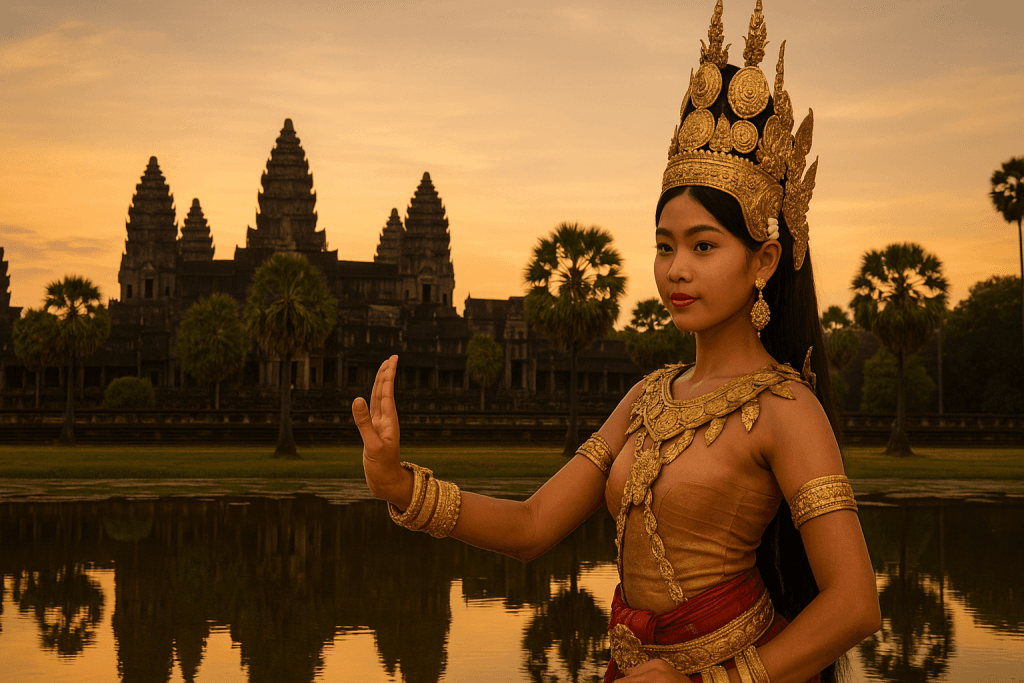
Cambodia culture represents one of the most distinctive cultural identities in Southeast Asia, shaped by centuries of history, royal influence, artistic expression, spirituality, and community values. The depth of Cambodia culture can be seen in its architecture, cuisine, social customs, ceremonies, festivals, language, traditional attire, and the enduring legacy of the Khmer civilization.
Understanding Cambodia culture provides insight into how heritage, belief systems, and artistic development intertwine to shape a unique national character that continues to evolve while honoring its origins.
The essence of Cambodia culture comes from the harmony between ancient Khmer traditions and contemporary influences. This cultural identity is deeply connected to Angkor heritage, Theravada Buddhism, agricultural roots, village community structures, and long standing artistic practices such as classical dance, sculpture, silk weaving, shadow puppetry, and ceremonial rituals. Exploring Cambodia culture allows a comprehensive view of how spirituality, creativity, social norms, and historical continuity become powerful cultural pillars.
1. Historical Foundations of Cambodia Culture
The foundation of Cambodia culture comes from the Khmer Empire, one of the most influential civilizations in Asian history. The Angkor period shaped religion, architecture, political systems, artistic expression, and community lifestyles. The influence of this era remains visible through temples, inscriptions, sculpture styles, and cultural philosophies preserved across the country.
Key historical components shaping Cambodia culture include:
1.1 The Khmer Empire as a Cultural Catalyst
The Khmer Empire established the architectural and artistic DNA of Cambodia culture. It developed symbolic temple structures, ceremonial customs, agricultural systems, and linguistic patterns still reflected today. Many elements of Cambodia culture such as traditional dance, royal ceremonies, and ceremonial garments trace their roots to this era.
See more: Cambodian street food
1.2 The Spread of Theravada Buddhism
Theravada Buddhism later became the central spiritual system shaping Cambodia culture, influencing moral values, artistic themes, community rituals, and social harmony. Monasteries, rituals, and Buddhist teachings became cultural cornerstones, defining ethical behavior and community identity.
1.3 Village Based Cultural Development
Rural life contributed significantly to Cambodia culture, with traditions formed around rice farming, seasonal festivals, spiritual offerings, and community cooperation. Agricultural rhythms influence music, ceremonies, and social values that remain integral to Cambodia culture.
2. Spirituality and Symbolism in Cambodia Culture
Spirituality forms a major part of Cambodia culture, guiding daily practices, rituals, ethical behavior, and social interactions. Temples and religious ceremonies play a central role, serving as cultural symbols that reinforce unity and identity.
2.1 Theravada Buddhism as a Cultural Framework
The teachings of Buddhism shape the compassionate and harmonious nature of Cambodia culture. Monks, rituals, chanting, temple visits, and merit making are deeply embedded into cultural routines.
2.2 Animist Elements in Cambodia Culture
Despite Buddhist dominance, animist beliefs remain important in Cambodia culture. Spirit houses, ancestral offerings, protective rituals, and seasonal blessings reflect the blending of ancient beliefs with Buddhist practices.
2.3 Religious Festivals and Cultural Expression
Festivals enrich Cambodia culture, showcasing unity, gratitude, and cultural symbolism. Events such as Pchum Ben, Khmer New Year, Royal Ploughing Ceremony, and Water Festival reflect spiritual values, agricultural traditions, and community celebration.
3. Artistic Expression in Cambodia Culture
Art is one of the strongest reflections of Cambodia culture, representing centuries of creativity and symbolic meaning.
3.1 Cambodian Classical Dance
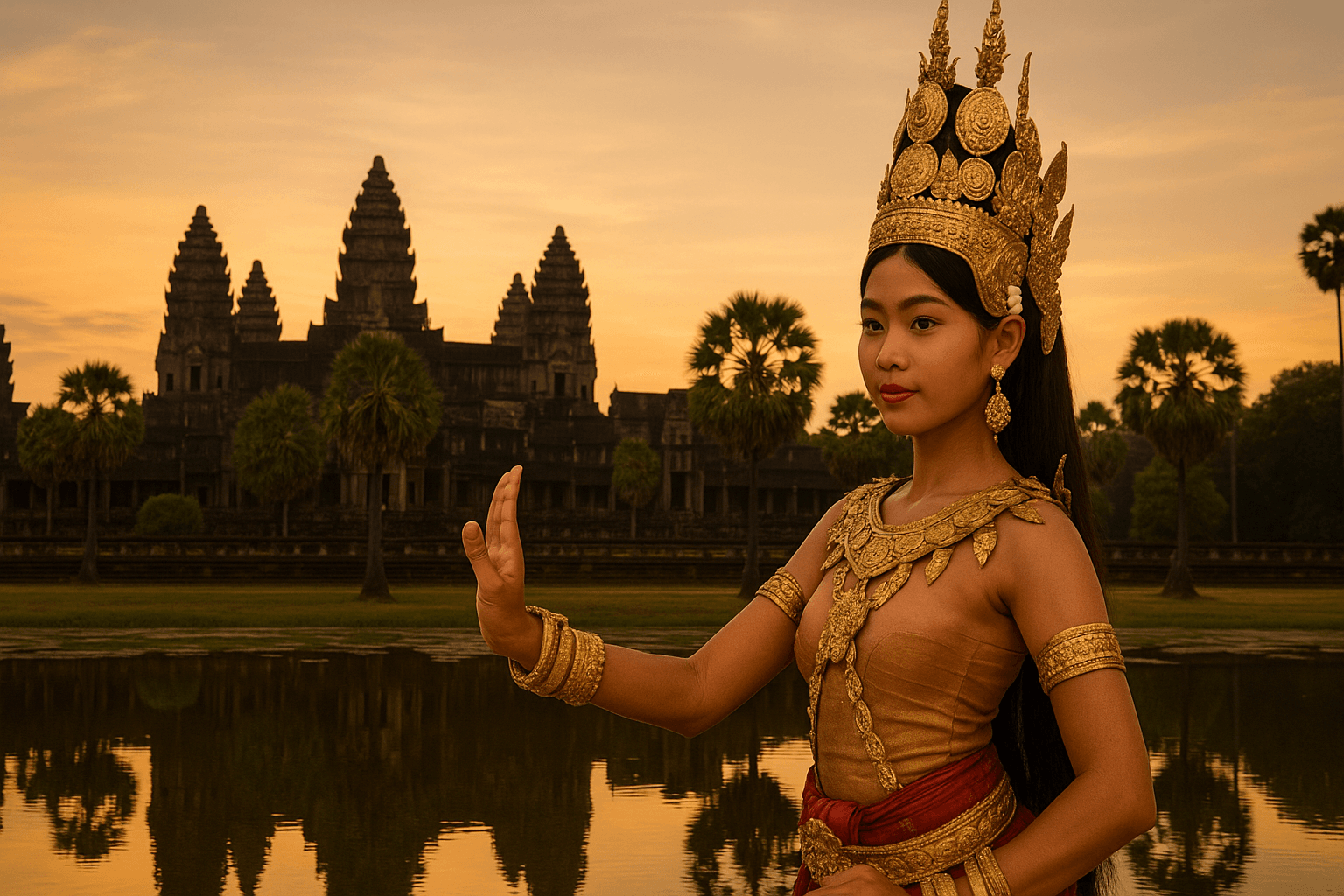
Classical dance is a signature component of Cambodia culture, characterized by graceful hand movements, symbolic gestures, and ornate costumes rooted in royal tradition. Each movement represents mythology and ancient Khmer storytelling.
3.2 Shadow Puppetry and Storytelling Arts
Shadow puppetry reflects the symbolic depth of Cambodia culture, with leather carved puppets depicting legends, morals, and cultural lessons. Performances highlight the importance of oral tradition and communal entertainment.
3.3 Silk Weaving and Khmer Textiles
Khmer silk weaving showcases refined craftsmanship in Cambodia culture, producing textiles used in ceremonies, royal attire, and daily clothing. Patterns carry symbolic meanings connected to spirituality and heritage.
3.4 Sculpture and Temple Artistry
Temple carvings and sculptures are defining elements of Cambodia culture, illustrating historical narratives, deities, mythical creatures, and symbolic patterns. These artworks preserve the legacy of ancient artisans.
4. Traditional Cuisine as an Expression of Cambodia Culture
Food holds profound cultural meaning and reflects environmental harmony in Cambodia culture. Staples such as rice, fermented dishes, herbs, and freshwater ingredients showcase agricultural identity and local resources.
4.1 Core Flavors and Ingredients
Traditional ingredients such as prahok, rice noodles, freshwater fish, lemongrass, coconut milk, and aromatic herbs reveal the natural foundation of Cambodia culture. These ingredients connect cuisine with family traditions, festivals, and daily routines.
4.2 Culinary Customs and Meal Etiquette
Table etiquette is part of Cambodia culture, emphasizing respect, sharing, and harmony. Meals highlight communal dining, balanced flavors, and cultural rituals such as offering food to monks.
4.3 Regional Diversity in Cambodian Cuisine
Regional variations reflect environmental diversity within Cambodia culture. Coastal, rural, and urban regions each present unique dishes influenced by local resources and traditional practices.
5. Social Customs and Community Structure in Cambodia Culture
Social relationships and values form essential elements of Cambodia culture, emphasizing respect, politeness, and community responsibility.
5.1 Respect for Elders and Social Harmony
Hierarchical respect defines Cambodia culture, guiding communication and behavior. Elders are honored for wisdom, and social interactions follow culturally established norms of politeness.
5.2 Family Roles and Community Bonds
Family structure is central to Cambodia culture, with multigenerational households, supportive relationships, and shared responsibilities. Community involvement reflects collective values and social cohesion.
5.3 Hospitality and Interpersonal Etiquette
Hospitality symbolizes the warmth of Cambodia culture. Visitors receive polite greetings, shared meals, and gestures of respect rooted in cultural traditions.
6. Traditional Clothing and Cultural Identity
Traditional attire reflects artistic heritage and social symbolism in Cambodia culture.
6.1 Sampot as National Attire
The sampot remains a cultural icon in Cambodia culture, worn during ceremonies, festivals, and formal events. The fabric, patterns, and colors represent social status, historical influence, and aesthetic values.
6.2 Jewelry and Cultural Detailing
Jewelry in Cambodia culture carries symbolic meaning, often seen in classical dance and ceremonies. Designs reflect mythology, spirituality, and the elegance of Khmer artistry.
7. Festivals and Celebrations in Cambodia Culture
Festivals highlight unity, gratitude, and spiritual values, making them indispensable in Cambodia culture.
7.1 Khmer New Year
Khmer New Year symbolizes renewal, cultural pride, and community bonding. Traditional games, temple ceremonies, and family reunions reflect cultural identity.
7.2 Water Festival
The Water Festival emphasizes gratitude for rivers and agricultural blessings. Boat races, celebrations, and temple rituals express communal joy within Cambodia culture.
7.3 Pchum Ben Festival
Pchum Ben honors ancestors and strengthens the spiritual dimension of Cambodia culture through food offerings and temple gatherings.
8. Language and Literature as Cultural Expression
Language and literature serve as cultural pillars, preserving knowledge, philosophy, and artistic imagination within Cambodia culture.
8.1 Khmer Language and Linguistic Identity
Khmer script and linguistic structure reflect the historical development of Cambodia culture. The language signifies national identity and cultural continuity.
8.2 Folklore and Traditional Stories
Folktales, proverbs, and legends enrich Cambodia culture, carrying moral lessons and reflecting ancient wisdom.
8.3 Poetry and Classical Literature
Classical poetry expresses symbolic beauty and intellectual tradition within Cambodia culture, highlighting the literary legacy of Khmer scholars.
9. Architecture and Cultural Symbolism
Khmer architecture is one of the most recognized cultural symbols of Cambodia culture, drawing global admiration.
9.1 Temple Structures and Religious Symbolism
Angkor Wat and other temples represent the architectural brilliance of Cambodia culture. These structures combine spiritual symbolism, engineering mastery, and artistic detail.
9.2 Traditional Houses and Rural Design
Stilt houses highlight practical design and environmental adaptation within Cambodia culture, reflecting agricultural lifestyles and community needs.
10. Music and Performance Traditions
Music plays a vital role in Cambodia culture, accompanying ceremonies, storytelling, and spiritual rituals.
10.1 Pinpeat Ensemble
The Pinpeat ensemble is an iconic musical form in Cambodia culture, performed in temples, dance performances, and royal ceremonies.
10.2 Folk Music and Rural Expression
Folk music reflects rural life and agricultural rhythms within Cambodia culture, showcasing traditional instruments and lyrical themes.
11. Modern Evolution of Cambodia Culture
Globalization, technology, tourism, and urban development contribute to the modern transformation of Cambodia culture while maintaining traditional roots.
11.1 Cultural Preservation Efforts
Government initiatives, artisans, cultural conservation groups, and educational programs strengthen the continuity of Cambodia culture.
11.2 Youth and Contemporary Influence
Younger generations reinterpret traditions, integrating contemporary styles with heritage elements that keep Cambodia culture dynamic and relevant.
11.3 Creative Industries and Cultural Innovation
Design, fashion, cuisine, contemporary art, and digital content contribute to the evolving identity of Cambodia culture while honoring traditional foundations.
Conclusion
Cambodia culture is a vibrant blend of ancient heritage, spiritual depth, artistic refinement, and community values. It reflects the enduring strength of Khmer identity, the profound influence of Buddhism, and the timeless legacy of Angkor civilization. From classical dance to temple architecture, from ceremonial customs to culinary foundations, Cambodia culture continues to inspire admiration worldwide.
The resilience and beauty of Cambodia culture lie in its ability to preserve historical roots while embracing modern transformation. Understanding this cultural identity allows a richer appreciation of its traditions, symbolism, and evolving contributions to global culture.
