
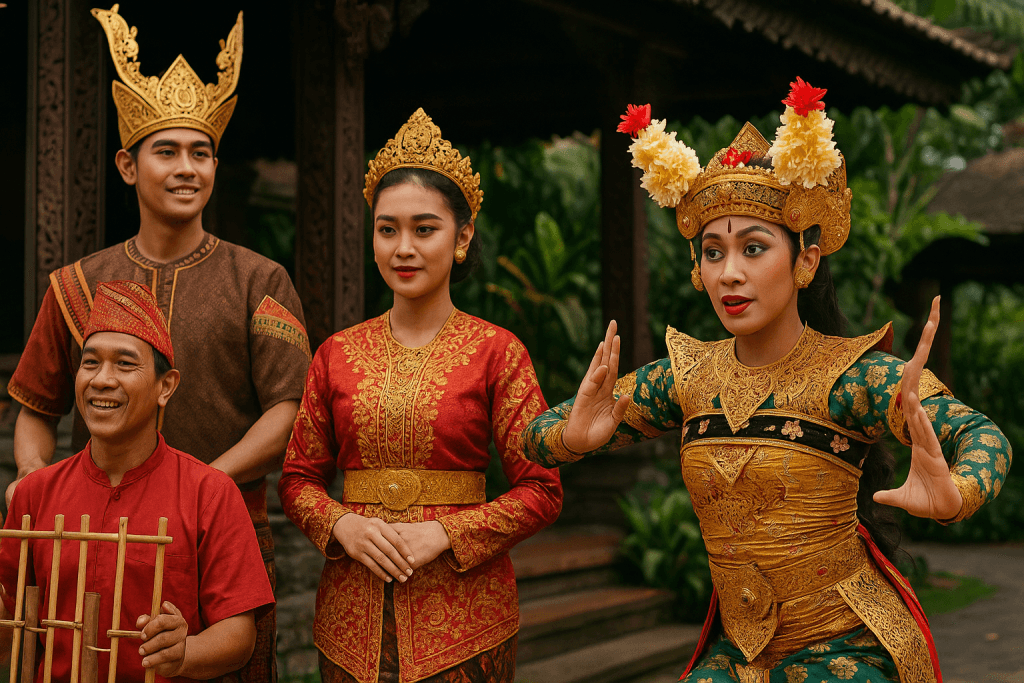
Indonesia culture represents one of the most diverse and dynamic cultural ecosystems in the world. With more than seventeen thousand islands, hundreds of ethnic groups and countless linguistic traditions, the country demonstrates a unique blend of heritage and contemporary development.
The richness of Indonesia culture is expressed through traditional arts, performing rituals, culinary expressions, social values and intangible legacies that continue to evolve. As global interest in cultural diversity increases, understanding Indonesia culture offers deep insights into identity, tradition and cross cultural influences within Southeast Asia.
The foundations of Indonesia culture are shaped by geography, trade routes and centuries of external interactions with India, China, the Middle East and Europe. These historical layers create a mosaic where indigenous roots coexist with multicultural integration. This blend enriches Indonesia culture and strengthens recognition of the archipelago as a vibrant cultural hub.
From sacred ceremonies in Bali to ancient crafts in Java and tribal customs in Papua, each region contributes a significant part to the national cultural landscape. This article explores the elements that form Indonesia culture including heritage, arts, festivals, belief systems, architecture, cuisine and modern cultural evolution.
1. Historical Roots and Formation of Indonesia Culture
Indonesia culture is deeply rooted in the early civilizations that flourished across the archipelago. Archaeological findings in Java and Sumatra reveal influences from early kingdoms, maritime communities and farming societies. These origins established concepts of community harmony, respect for nature and spiritual values that still shape Indonesia culture today.
The spread of Hindu and Buddhist kingdoms contributed to monumental structures such as Borobudur and Prambanan. These landmarks are prime examples of artistic and philosophical integration found in Indonesia culture. When Islam spread across the region through trade networks, it created new cultural adaptations that merged local customs with religious elements. This coexistence demonstrates the flexible nature of Indonesia culture, where new ideas are absorbed rather than replaced.
European arrivals introduced additional cultural layers through education, governance structures and global trade. While foreign influence shaped parts of modern society, indigenous cultural identity remained strong. This resilience continues to define Indonesia culture as a dynamic process of adaptation that honors tradition while embracing innovation.
See more: From Nasi Goreng to Satay: Inside the World of Indonesia Cuisine
2. Ethnic Diversity and Cultural Identity
Indonesia is home to hundreds of ethnic groups each contributing distinct values to Indonesia culture. The Javanese, Sundanese, Balinese, Madurese, Minangkabau, Batak, Dayak and Papuan communities preserve cultural practices that highlight regional uniqueness. These groups maintain languages, traditional garments, ceremonies and social structures that enrich the overall identity of Indonesia culture.
Ethnic interactions within the archipelago strengthen cultural blending. Shared rituals, inter island trade and cultural exchanges create hybrid forms that are now recognized internationally as part of the broader Indonesia culture. This interconnected identity builds unity through diversity and aligns with the national philosophy of Bhinneka Tunggal Ika meaning unity in diversity.
3. Language and Oral Traditions
Language forms a core pillar of Indonesia culture. Although Bahasa Indonesia functions as the national language, hundreds of regional languages continue to flourish. These languages preserve traditional wisdom, oral literature and folklore. Storytelling traditions, poetic recitations and symbolic expressions help transmit values across generations, reinforcing the continuity of Indonesia culture.
Written literature also reflects cultural identity. Classical texts from Java, Bali and Sumatra document historical narratives, moral teachings and philosophical reflections. Modern literature combines traditional elements with contemporary perspectives, expanding the cultural narrative of Indonesia culture in the global arena.
4. Traditional Arts and Performing Expressions


Performing arts are among the most recognizable aspects of Indonesia culture. From energetic dances to symbolic puppet shows, artistic expressions play a vital role in social rituals and communal identity.
4.1 Dance Traditions
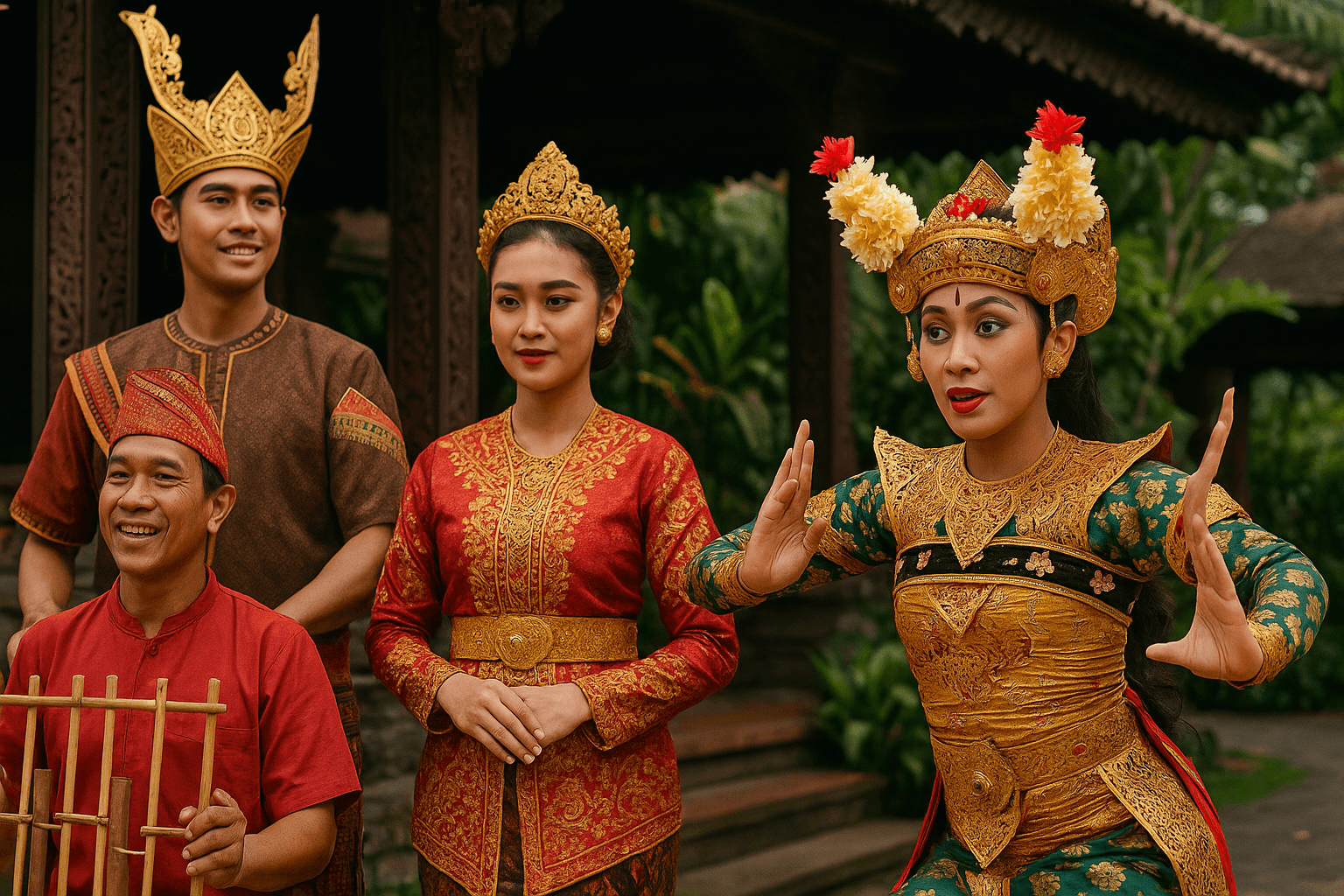
Dance reflects symbolic gestures deeply rooted in Indonesia culture. Balinese dances emphasize precision and spiritual meaning, while Javanese dances highlight elegance and harmony. Sumatran dances feature bold movements representing bravery and communal pride. These performances are not merely entertainment but cultural narratives that preserve identity.
4.2 Music and Instruments
Gamelan music represents the soul of Indonesia culture. This ensemble includes metallophones, gongs and drums that produce harmonious rhythms used in ceremonies, theater and celebrations. Traditional instruments such as angklung from West Java and sasando from East Nusa Tenggara further demonstrate musical diversity.
4.3 Theatrical Arts
Wayang kulit the shadow puppet theater is a UNESCO recognized tradition symbolizing philosophical values deeply embedded in Indonesia culture. Performances often depict ancient epics and moral lessons that resonate with audiences across generations.
5. Cultural Festivals and Celebrations
Festivals in the archipelago illustrate the richness of Indonesia culture and reflect regional identity. Celebrations often involve music, dance, costumes and traditional rituals that unify communities.
Popular cultural events include Bali Arts Festival, Sekaten in Yogyakarta, Toraja funeral ceremonies, Pasola Festival in Sumba and Tabuik tradition in West Sumatra. These festivities strengthen the living heritage of Indonesia culture and showcase the diversity of ritual expressions.
6. Architecture and Traditional Houses


6.1 Rumah Adat
Traditional houses known as rumah adat reflect craftsmanship and symbolism. The Minangkabau rumah gadang features curved roofs resembling buffalo horns while the Toraja tongkonan displays carved wooden motifs symbolizing ancestry. These structures demonstrate how Indonesia culture shapes physical environments.
6.2 Sacred and Heritage Sites
Cultural heritage sites across Java, Bali and Nusa Tenggara highlight monumental architecture connected to spiritual practice. Temples, mosques and ancient complexes illustrate the depth of historical continuity within Indonesia culture.
7. Belief Systems and Spiritual Traditions
Spiritual diversity forms a major component of Indonesia culture. Indigenous belief systems coexist with major religions, creating rich layers of cultural expression. Traditional rituals honor ancestors, nature spirits and communal harmony. These practices emphasize values of balance and respect that remain central in Indonesia culture.
In Bali the concept of Tri Hita Karana promotes harmony between humans and nature. In Java Kejawen represents spiritual philosophy integrating cosmology and ethical principles. Indigenous communities in Kalimantan, Sulawesi and Papua preserve animistic practices rooted in environmental respect. Together these belief systems showcase the breadth of spiritual identity within Indonesia culture.
8. Culinary Heritage and Cultural Expression
Culinary traditions represent another important dimension of Indonesia culture. Cuisine varies greatly across regions and reflects agricultural diversity, spice trade history and communal dining customs.
Spices such as turmeric, lemongrass, galangal and coriander play central roles in cooking. Regional dishes from Java, Bali, Sumatra and Sulawesi highlight seafood, rice based meals and aromatic broths. Street food culture also contributes to the vibrant identity of Indonesia culture. Each dish carries symbolic meaning and represents social connection within local communities.
9. Crafts, Textiles and Material Culture
Textiles such as batik, ikat and songket are integral to Indonesia culture. Batik patterns express philosophical concepts and social status, while ikat weaving in eastern Indonesia preserves ancestral techniques. Songket from Sumatra features metallic threads woven into ceremonial garments. These artistic crafts reflect the creativity and heritage embedded in Indonesia culture.
Wood carving, pottery, metalwork and jewelry design also demonstrate regional craftsmanship. These artistic expressions contribute to both traditional and modern cultural landscapes.
10. Social Values, Customs and Community Life
Social norms reflect the collective identity of Indonesia culture. Respect for elders, communal cooperation and hospitality are widespread values. Traditions such as gotong royong emphasize collective effort, while adat law guides social harmony. These universal cultural values help unify diverse ethnic groups across the archipelago.
Family structures also play a major role in shaping Indonesia culture. Intergenerational interactions influence education, tradition and social responsibility. Community gatherings, ceremonies and shared celebrations reinforce cultural cohesion.
11. Modernization and Cultural Transformation
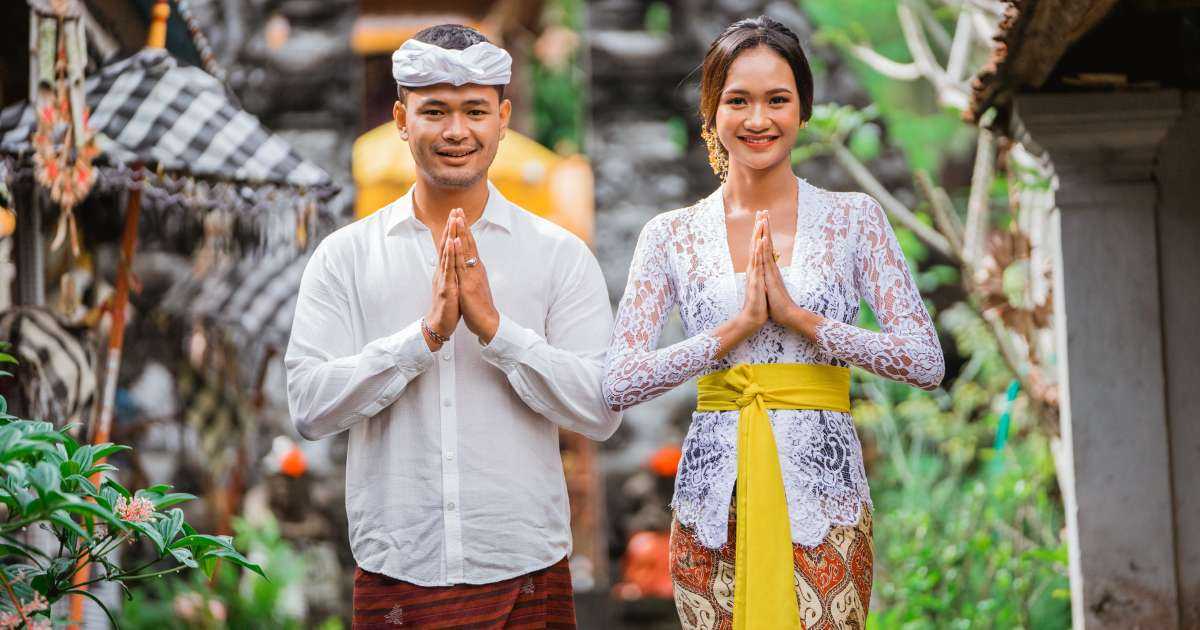
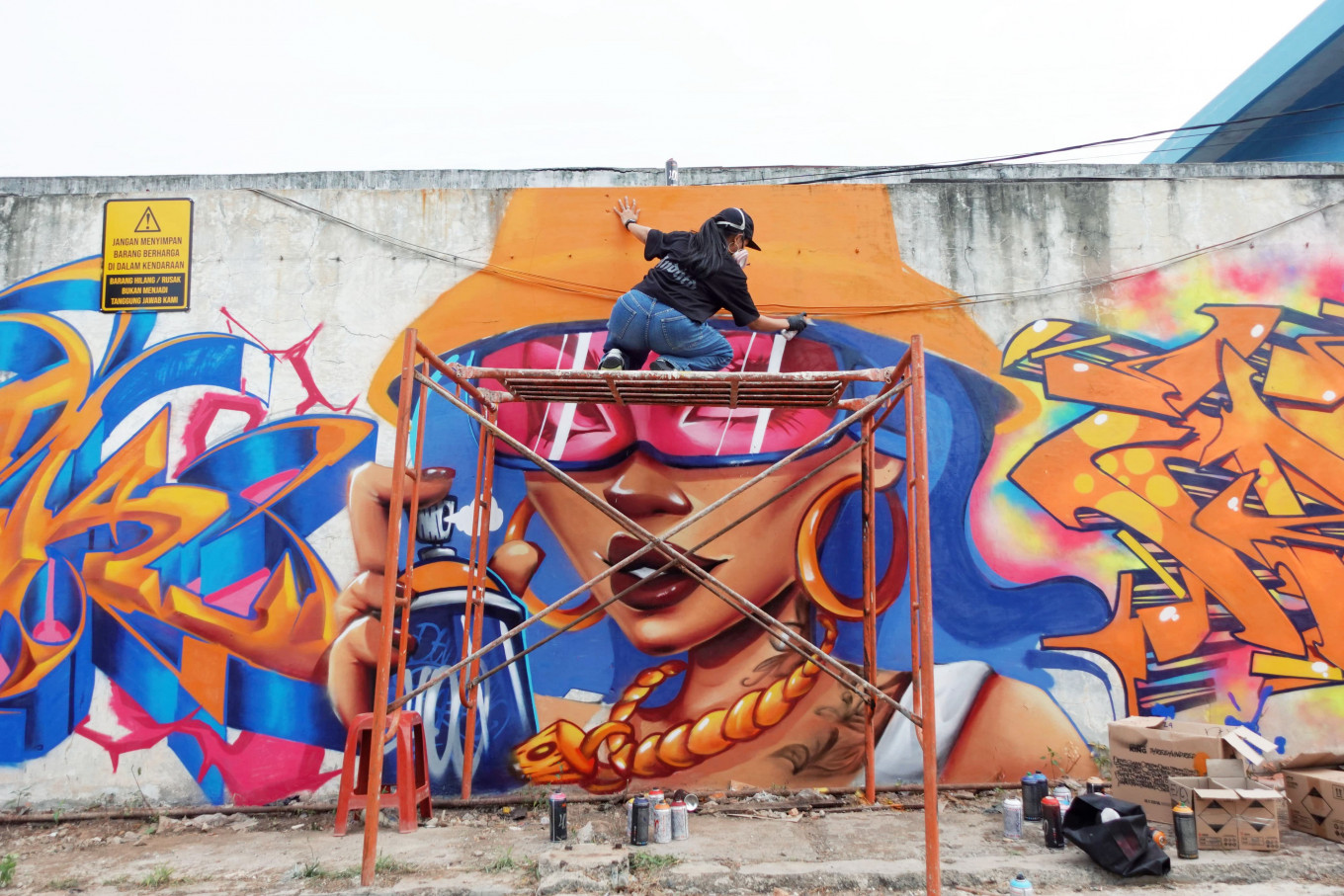
Modern development introduces new forms of cultural expression while preserving heritage. Contemporary art, digital media, youth culture and creative industries reflect evolving dimensions of Indonesia culture.
11.1 Contemporary Art and Design
Artists integrate traditional motifs with modern influences through painting, sculpture and fashion. This fusion highlights the continuous evolution of Indonesia culture in the global creative scene.
11.2 Media and Pop Culture
Film, music, television and digital platforms amplify cultural narratives. Emerging content creators reinterpret Indonesia culture for younger audiences while preserving historical significance.
11.3 Urban Culture
Urban centers such as Jakarta, Bandung and Surabaya showcase lifestyle trends influenced by global interactions. Street art, modern music genres and community festivals reframe Indonesia culture within contemporary spaces.
12. Tourism and Cultural Preservation
Cultural tourism plays an important role in promoting Indonesia culture internationally. Travelers are drawn to heritage sites, traditional villages, festivals and arts. Tourism supports preservation efforts by encouraging communities to maintain cultural practices.
Local initiatives focus on safeguarding intangible heritage such as dance, weaving and storytelling. This ensures that Indonesia culture continues to thrive across generations.
13. Environmental Interaction and Cultural Sustainability
Nature shapes daily life within Indonesia culture. Landscapes including mountains, coasts, forests and rice terraces inspire spiritual beliefs and agricultural traditions. Communities rely on nature based knowledge to sustain livelihoods and cultural rituals.
Conservation efforts emphasize maintaining harmony between humans and ecosystems. Sustainable cultural practices encourage respect for natural resources that form the foundation of Indonesia culture.
14. Global Influence and Cultural Exchange
As international engagement grows, Indonesia culture expands beyond national borders. Cultural diplomacy, creative collaborations and global events promote awareness of Indonesian identity. Traditional performances, exhibitions and culinary showcases help share the richness of Indonesia culture with global audiences.
Diaspora communities also contribute to the spread of cultural identity. Through festivals, educational programs and community initiatives, they preserve and introduce Indonesia culture worldwide.
15. The Future of Indonesia Culture
The future of Indonesia culture depends on the balance between tradition and innovation. Digital transformation, cultural education and preservation policies guide the evolution of cultural identity. Younger generations play a crucial role in sustaining heritage while redefining modern expression.
As cultural appreciation increases globally, Indonesia culture will continue to influence international perspectives on diversity, sustainability and creativity. The enduring values, artistic achievements and historical legacies embedded in Indonesia culture ensure its relevance for future generations.
Conclusion
Indonesia culture stands as one of the most complex and vibrant cultural identities in the world. Its diversity reflects centuries of interaction, adaptation and creativity. From traditional arts to modern innovation, the cultural landscape of the archipelago offers endless sources of inspiration and learning. By understanding the history, rituals, values and artistic expressions that form Indonesia culture, readers gain a deeper appreciation for the significance of cultural diversity within Southeast Asia and the global community.
