
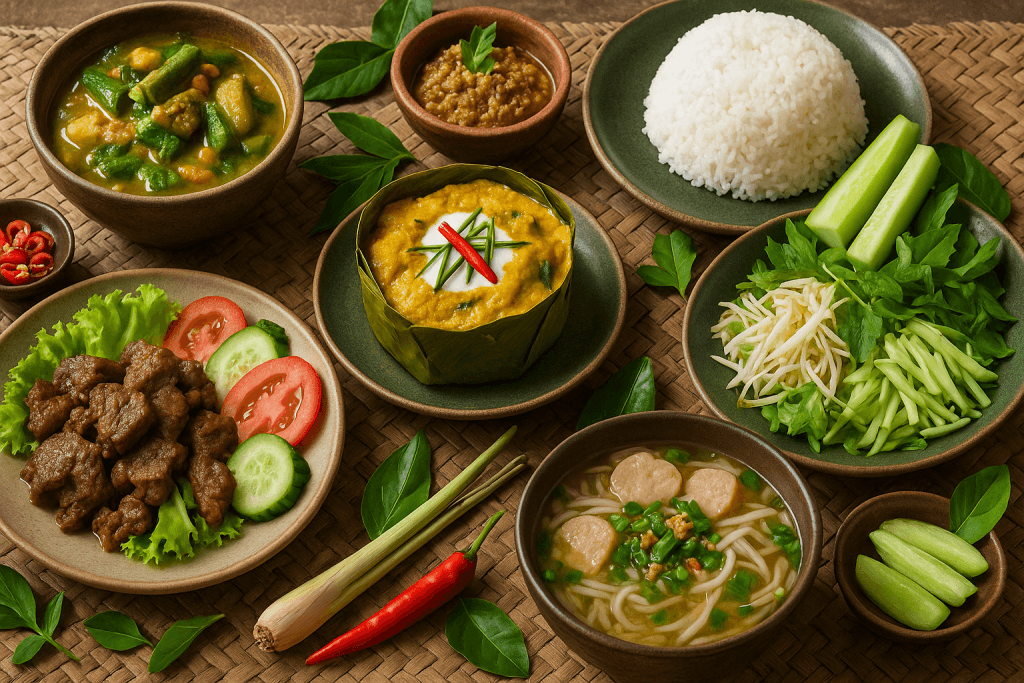
Khmer cuisine represents one of the most vibrant and culturally significant food traditions in Southeast Asia. Deeply rooted in history, agriculture, regional diversity, and spiritual influences, Khmer cuisine showcases balanced flavors, fresh ingredients, herbal complexity, and a harmony that reflects the identity of Cambodian people.
Many culinary travelers exploring Campuchia cuisine often discover that Khmer cuisine blends simplicity with sophistication, offering dishes crafted from local produce, traditional spices, fermented elements, and time honored methods. This extensive guide introduces the essence of Khmer cuisine, its characteristics, essential ingredients, iconic dishes, regional specialties, and modern culinary trends.
Understanding the Identity of Khmer Cuisine
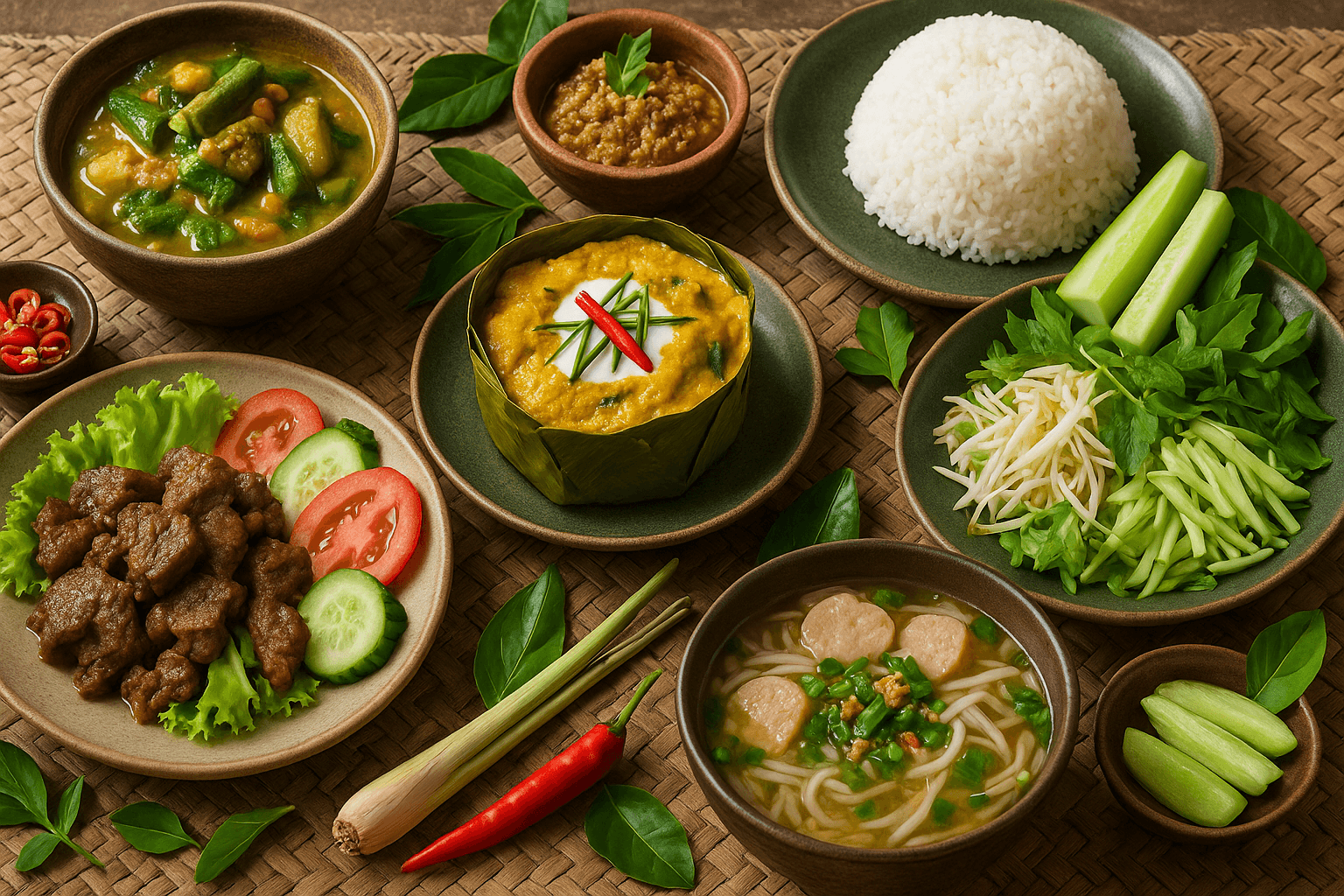
Khmer cuisine is shaped by geography, climate, and agricultural abundance. Cambodia’s fertile plains, rivers, lakes, and coastal regions influence the wide variety of dishes in Campuchia cuisine. The use of rice, freshwater fish, tropical vegetables, aromatic herbs, and natural seasonings defines daily meals. The flavors of Khmer cuisine are known for balance rather than intensity. While neighboring countries may embrace bold heat or strong spices, Khmer cuisine emphasizes subtlety and contrast.
The essence of Khmer cuisine includes savory broths, mild curries, refreshing salads, fermented pastes, and harmonious textures. The culinary philosophy reflects balance among sweet, salty, sour, and bitter notes. Ingredients like lemongrass, kaffir lime, turmeric, galangal, garlic, and fresh herbs appear frequently across Campuchia cuisine dishes.
See more: A Taste of Cambodia
Historical Foundations of Khmer Cuisine
To understand Khmer cuisine, it is essential to explore its historical background. Cambodian culinary traditions date back to the ancient Khmer Empire, where agriculture, irrigation systems, and cultural exchanges shaped food practices. Rice cultivation played a central role, supporting villages and defining daily meals. Over centuries, interactions with China, India, and neighboring regions contributed additional influences.
While Campuchia cuisine is unique, it shares connections with Southeast Asian food systems. Khmer people adopted techniques such as steaming, grilling, fermenting, and slow simmering. Many dishes in Khmer cuisine evolved from royal culinary preparations, temple cooking rituals, and community celebrations. These traditions continue to define Cambodian food today.
Core Characteristics of Khmer Cuisine
1. Balance of Flavors
The heart of Khmer cuisine lies in balance. Dishes rarely overpower the senses. Instead, Campuchia cuisine focuses on gentle flavor contrasts.
2. Use of Fresh Herbs and Aromatics
Lemongrass, galangal, turmeric, basil, mint, sawtooth coriander, and kaffir lime are central to Khmer cuisine. These aromatics form the foundation of soups, salads, and marinades.
3. Fermented Elements
Fermentation enhances depth in Campuchia cuisine. Prahok, the famous fermented fish paste, brings umami richness to many dishes. Its use is carefully balanced in Khmer cuisine to add complexity.
4. Light Curries
Unlike curry traditions elsewhere, curries in Khmer cuisine are milder, using fewer peppers and relying more on herbs.
5. Natural Sweetness
Palm sugar adds a gentle sweetness to many Campuchia cuisine dishes.
Essential Ingredients in Khmer Cuisine
Rice
Rice is the foundation of Khmer cuisine. From aromatic jasmine rice to sticky rice, it accompanies every meal.
Freshwater Fish
Fish from the Mekong River and Tonle Sap Lake shape many aspects of Campuchia cuisine. Fish is grilled, steamed, fermented, or turned into soups.
Herbs and Spices
Lemongrass
Galangal
Garlic
Turmeric
Kaffir lime
Thai basil
Mint
Chili peppers
These ingredients define the aromatic identity of Khmer cuisine.
Palm Sugar
Used in sauces and curries across Campuchia cuisine.
Coconut Milk
Adds smooth texture to soups and desserts in Khmer cuisine.
Prahok
The signature fermented fish paste symbolizing the depth and spirit of Khmer cuisine.
Iconic Dishes That Define Khmer Cuisine
Below is an expanded exploration of iconic dishes frequently associated with Khmer cuisine and widely celebrated in Campuchia cuisine culture.
1. Amok Trey
Amok is one of the most recognized dishes in Khmer cuisine. This coconut based preparation uses fish with lemongrass, turmeric, galangal, and kaffir lime leaves. The texture is silky and aromatic, representing harmony in Campuchia cuisine.
2. Samlor Korko
A traditional mixed vegetable soup known as a national treasure in Khmer cuisine. Its nutritious blend showcases rural Cambodian cooking.
3. Kuy Teav
A comforting noodle soup in Khmer cuisine, made with broth infused with garlic, shallots, and herbs.
4. Bai Sach Chrouk
Grilled pork served with rice, a popular breakfast in Campuchia cuisine. Its simplicity reflects the beauty of traditional Khmer cuisine.
5. Nom Banh Chok
A beloved morning dish where fermented curry paste meets rice noodles, fresh vegetables, and herbs.
6. Lok Lak Khmer
A Cambodian stir fried beef dish served with local seasonings, pepper, and crisp vegetables. It showcases the flavor profile of Khmer cuisine.
7. Prahok Ktis
A rich dip made from fermented fish and coconut cream. It highlights the essence of Campuchia cuisine’s fermented heritage.
8. Cha Kdam
Stir fried crab with fragrant herbs. This coastal specialty reflects Cambodia’s seaside culinary traditions.
9. Samlor Machu Kreung
A sour soup using lemongrass paste that embodies the refreshing qualities of Khmer cuisine.
10. Nom Ansom
A sticky rice cake served during festivals, demonstrating the cultural importance of food in Campuchia cuisine.
Regional Variations Across Cambodia
Phnom Penh Style
Urban Khmer cuisine features innovative combinations. Markets in Phnom Penh offer noodles, steamed dishes, light grills, and herbal broths that reflect modern Campuchia cuisine.
Siem Reap Style
Dishes near Angkor Wat emphasize traditional herbs, fermented pastes, and rural ingredients. Visitors often explore street foods connected to ancient Khmer culinary traditions.
Battambang Style
This region is known for rich agriculture, influencing local variations of soups and vegetable dishes in Khmer cuisine.
Coastal Provinces
Kep, Kampot, and Sihanoukville create seafood centered dishes, adding diversity to Campuchia cuisine.
Traditional Cooking Techniques Used in Khmer Cuisine
Steaming
Steaming preserves nutrients and aromatics. Amok is an example of steaming in Khmer cuisine.
Grilling
Charcoal grilling enhances natural flavors in meats and fish across Campuchia cuisine.
Fermenting
Fermentation defines the soul of Khmer cuisine, especially through prahok and other preserved items.
Boiling and Slow Simmering
Soups and broths rely on slow simmering techniques.
Stir Frying
A fast technique influenced by regional exchanges, now prominent in Campuchia cuisine.
The Role of Herbs in Khmer Cuisine
Herbs shape aroma and depth. Lemongrass, kaffir lime leaves, turmeric, and basil create complex layers. These herbal components not only define flavor but also complement the natural freshness found in Khmer cuisine.
Herbs appear in soups, salad preparations, stir fries, dipping sauces, and seasonal dishes across Campuchia cuisine.
Rice and Noodle Culture in Khmer Cuisine
Rice represents life in Cambodia. Families incorporate rice into every meal of Khmer cuisine. Sticky rice appears in ceremonial dishes. Noodles complement broths, curries, and fresh vegetables in Campuchia cuisine. Traditions of noodle making date back centuries, reflecting the harmony of textures in Khmer cuisine.
Vegetable and Plant Based Traditions
Khmer cuisine uses morning glory, long beans, pumpkin, lotus stems, banana blossoms, and leafy greens. These ingredients support a nutritional balance and contribute to the refreshing character of Campuchia cuisine.
Understanding Sauces in Khmer Cuisine
Sauces provide depth. Kampot pepper sauce, tamarind sauces, aromatic herb mixes, and fermented bases appear throughout Khmer cuisine. These sauces contribute umami richness and contrast, essential in Campuchia cuisine dishes.
Cultural Importance of Food in Cambodian Lifestyle
Food represents community. Meals in Khmer cuisine emphasize sharing, harmony, and connection. Religious celebrations, traditional ceremonies, and festivals highlight the symbolic role of Campuchia cuisine.
From family gatherings to temple offerings, dishes reflect gratitude, respect, and seasonal abundance.
Influence of Neighboring Countries
Although Khmer cuisine is unique, interactions with Thai, Lao, Vietnamese, and Chinese cooking shaped certain aspects. However, Cambodia’s natural abundance and local traditions ensure that Campuchia cuisine maintains its identity.
Heritage Preservation and Modern Khmer Cuisine
As Cambodia modernizes, chefs reimagine traditional dishes. Restaurants across Phnom Penh, Siem Reap, and Battambang blend innovation with heritage. Modern Khmer cuisine presentation emphasizes local sourcing, sustainability, and creative flavor profiles.
Cooking schools, cultural tours, and food workshops help preserve ancient Campuchia cuisine techniques.
Khmer Cuisine in the Global Culinary Scene
With rising tourism and international interest, Khmer cuisine is gaining recognition globally. Culinary explorers increasingly appreciate Campuchia cuisine for its freshness, balance, and authenticity. The growing presence of Cambodian restaurants worldwide strengthens cultural exchange.
Seasonal Eating Practices in Khmer Cuisine
Cambodia’s climate shapes seasonal dishes. Rainy season ingredients differ from dry season offerings. Fresh herbs peak during certain months. Fish availability shifts with Tonle Sap’s water cycles. Seasonal eating is a defining element of Campuchia cuisine.
Healthy Aspects of Khmer Cuisine
The freshness, low oil usage, high vegetable intake, and natural seasonings contribute to the wellness reputation of Khmer cuisine. Many dishes emphasize clean flavors, making Campuchia cuisine appealing to health conscious diners.
Culinary Etiquette in Cambodian Culture
Dining traditions reflect respect. In Khmer cuisine, meals are typically shared family style. Soups accompany every meal. Eating practices emphasize mindfulness and appreciation of ingredients.
Desserts in Khmer Cuisine
Desserts often rely on coconut milk, palm sugar, sticky rice, pumpkin, taro, and tropical fruits. Kampot durian, mango, banana, and jackfruit frequently appear in Campuchia cuisine sweets. Cambodian desserts feature natural sweetness rather than intense sugary flavors.
Beverages Complementing Khmer Cuisine
Herbal teas, rice based beverages, fruit juices, and aromatic drinks accompany meals. Local ingredients infused into beverages highlight the culinary harmony within Khmer cuisine.
The Future of Khmer Cuisine
As culinary awareness increases, chefs, food historians, and cultural organizations are committed to expanding global understanding of Khmer cuisine. Innovations are emerging across restaurants, street food vendors, and cultural institutions. With growing tourism and cultural pride, Campuchia cuisine continues evolving while preserving its roots.
Conclusion
Khmer cuisine represents the heart of Cambodian culture. Its balance of flavors, gentle aromatics, fresh herbs, and distinctive fermentations create a food tradition rich in depth and identity. Campuchia cuisine reflects history, agriculture, geography, spirituality, and community values. Through iconic dishes, regional specialties, traditional techniques, and modern interpretations, Khmer cuisine stands as a culinary treasure of Southeast Asia.
